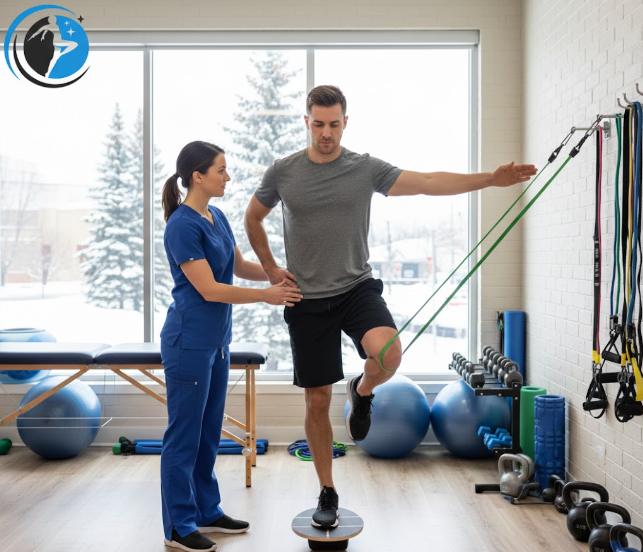
How Sports Physiotherapy Prevents Repeat Injuries
Repeat injuries are rarely “bad luck.” In most cases, they occur because the original issue was not fully rehabilitated, movement patterns were not corrected, or return-to-play was rushed.
At a professional sports therapy clinic edmonton, injury prevention is as important as injury treatment. Modern sports physiotherapy focuses on restoring strength, mobility, coordination, and tissue resilience so athletes can return confidently — and reduce the risk of setbacks.
In Edmonton’s active community, from recreational runners along the River Valley to competitive hockey players, prevention-focused rehab is essential for long-term performance.
Granville Physiotherapy offers sports injury rehabilitation for athletes and active individuals seeking safe and effective recovery. Our clinic provides personalized treatment plans designed to improve strength, mobility, and performance.
We serve patients throughout west Edmonton with professional sports physiotherapy services.
Why Do Sports Injuries Recur?
In my clinical experience working with athletes across various levels, repeat injuries usually stem from:
-
Incomplete tissue healing
-
Muscle imbalances
-
Poor neuromuscular control
-
Limited joint mobility
-
Faulty biomechanics
-
Early return to sport
For example, an athlete recovering from an ankle sprain may feel pain-free within weeks. However, without proprioceptive retraining and strength restoration, instability often remains — increasing the risk of another sprain.
This is where structured athlete injury physiotherapy Edmonton plays a crucial role.
The Prevention-Focused Approach in Sports Physiotherapy
1. Comprehensive Movement Assessment
A qualified physiotherapist performs:
-
Functional movement screening
-
Strength and flexibility testing
-
Sport-specific biomechanical analysis
-
Load tolerance evaluation
Rather than treating symptoms alone, we identify the underlying cause of stress on tissues.
2. Progressive Strength and Load Management
Tissues need gradual loading to rebuild resilience.
Sports physiotherapy includes:
-
Eccentric strengthening programs
-
Core stabilization work
-
Plyometric progression
-
Controlled return-to-running or skating protocols
This structured progression reduces the chance of reinjury during competitive return.
3. Neuromuscular Retraining
Injury disrupts coordination and timing between muscle groups.
Rehabilitation restores:
-
Joint stability
-
Reaction time
-
Balance and proprioception
-
Sport-specific agility
Neuromuscular retraining is one of the most overlooked components of sports rehabilitation physio Edmonton, yet it significantly lowers recurrence rates.
4. Biomechanical Correction
Improper movement patterns increase tissue overload.
Common examples include:
-
Knee valgus during jumping
-
Poor hip control in runners
-
Shoulder instability in overhead athletes
Physiotherapists use video analysis and corrective drills to retrain efficient movement mechanics.
For athletes already recovering from acute trauma, combining prevention strategies with sports injury rehabilitation in Edmonton ensures long-term results.
5. Individualized Return-to-Play Planning
Return-to-play should be criteria-based, not time-based.
A proper plan includes:
-
Strength benchmarks
-
Functional performance testing
-
Pain-free sport drills
-
Load monitoring
Athletes in Edmonton’s hockey, soccer, and running communities particularly benefit from structured sports physiotherapy services in Edmonton to safely transition back into full training.
Local Considerations in Edmonton, Canada
Environmental and sport-specific factors in Edmonton influence injury risk:
-
Winter surfaces increase slip-related injuries
-
Ice sports demand high hip and groin strength
-
Long indoor training seasons may create repetitive strain
Clinics specializing in sports rehabilitation physio Edmonton understand these regional demands and tailor rehab accordingly.
Benefits of Preventative Sports Physiotherapy
When implemented correctly, prevention-focused physiotherapy can:
-
Reduce recurrence rates
-
Improve performance efficiency
-
Enhance muscular balance
-
Increase tissue durability
-
Build athlete confidence
Rather than reacting to injury, athletes adopt a proactive performance strategy.
When Should Athletes Seek Preventative Care?
Consider booking an assessment if you:
-
Have had the same injury more than once
-
Feel instability during sport
-
Experience recurring tightness or weakness
-
Are increasing training intensity
-
Are returning after surgery
Early intervention is more effective than repeated recovery cycles.
FAQs
1. How does sports physiotherapy prevent repeat injuries?
Sports physiotherapy identifies biomechanical faults, corrects muscle imbalances, restores neuromuscular control, and ensures safe return-to-play progression to reduce reinjury risk.
2. Is sports rehabilitation only for professional athletes?
No. Recreational and youth athletes in Edmonton benefit equally from structured rehabilitation programs designed to improve movement efficiency and tissue resilience.
3. How long does injury prevention rehabilitation take?
Timelines vary depending on injury severity, sport demands, and conditioning level. Programs are typically criteria-based rather than strictly time-based.
4. Can physiotherapy improve athletic performance?
Yes. By correcting movement inefficiencies and optimizing strength and coordination, physiotherapy supports both injury reduction and performance enhancement.
Post a comment